In high-level raid and Mythic+ content, enemy casts are often more dangerous than raw damage. A single missed interrupt can trigger lethal AoE, massive healing requirements, or an instant wipe. The Integrity of DPS Interrupt Rotations is the essential Spell Prevention system that ensures every mandatory cast is stopped without redundancy or failure.
This expanded guide explains how to build a flawless interrupt rotation, eliminate accidental overlap failures, and maintain guaranteed stops throughout extended encounters.
The Core Principle of Interrupt Integrity
Interrupt Integrity means every dangerous cast has a pre-assigned answer. It removes randomness and replaces it with structure. Instead of “whoever sees it kicks,” the group operates on a strict sequence where responsibility is predetermined.

Guaranteed Stops occur when interrupt assignments are clear, cooldowns are staggered properly, and backup systems exist. Accidental Overlap Failures occur when multiple players interrupt simultaneously or when no one interrupts because each assumed someone else would.
Designing a Reliable Interrupt Rotation
Effective interrupt rotations are built using cooldown analysis and role coverage. The system must account for:
- Interrupt cooldown duration (e.g., 12–15 seconds).
- Frequency of enemy casts.
- Player positioning requirements.
- Potential crowd control or displacement effects.
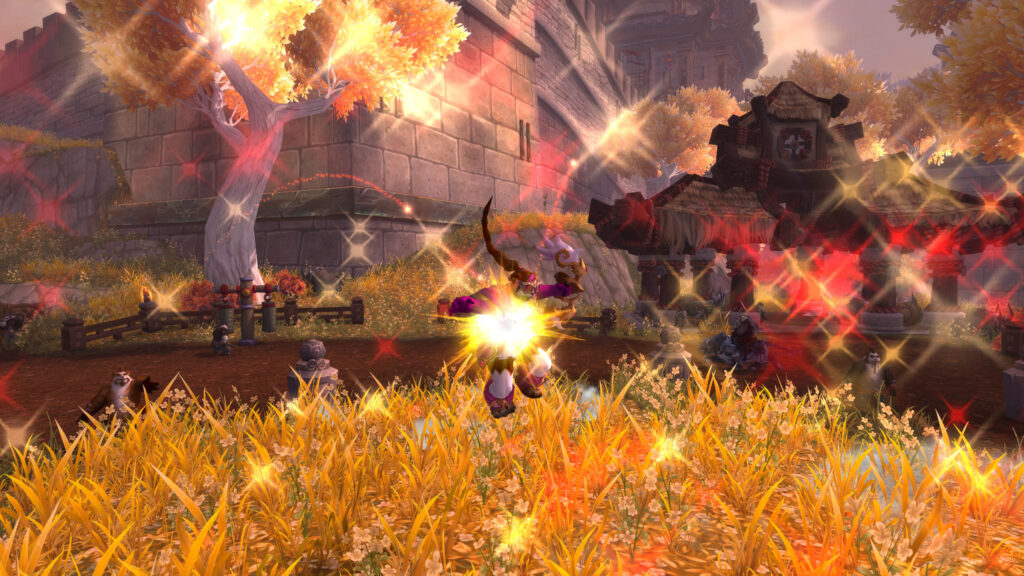
- Numerical Slot Assignment: Assign players in order (Kick 1, Kick 2, Kick 3, etc.).
- Target-Based Assignment: Assign players to specific mobs when multiple casters exist.
- Backup Designation: Assign a tank or hybrid as emergency coverage.
- Cooldown Awareness: Ensure spacing between interrupts maximizes coverage windows.
Communication and Callout Structure
Clear communication reinforces integrity:
- Pre-pull confirmation: “Mage Kick 1, Rogue Kick 2.”
- Execution call: “Kick used.”
- Failure call: “Missed!” triggers backup response.
- Out-of-range call: “OOR!” immediately alerts backup.
Without consistent callouts, even strong rotations collapse under pressure.
The 80% Rule to Prevent Overlap
To prevent premature overlap, interrupts should generally be used when the cast bar reaches 80–90%. Early interrupts increase the chance of double kicks. Late interrupts reduce redundancy and maximize cooldown spacing.
| Failure Type | Cause | Correction Strategy |
|---|---|---|
| Double Interrupt | Multiple players panic-kick early. | Enforce strict slot-only interrupts. |
| Missed Cast | No clear assignment. | Pre-pull structured rotation. |
| Rotation Collapse | Player crowd controlled or displaced. | Immediate backup activation. |
High-Pressure Scenarios and Adaptation
In complex encounters with multiple simultaneous casts, flexibility is required. Players must:
- Prioritize lethal or healing casts over minor damage casts.
- Maintain positional awareness to avoid range gaps.
- Adjust rotation dynamically if a mob dies early.
- Monitor cooldown trackers in real time.
Damage vs. Discipline
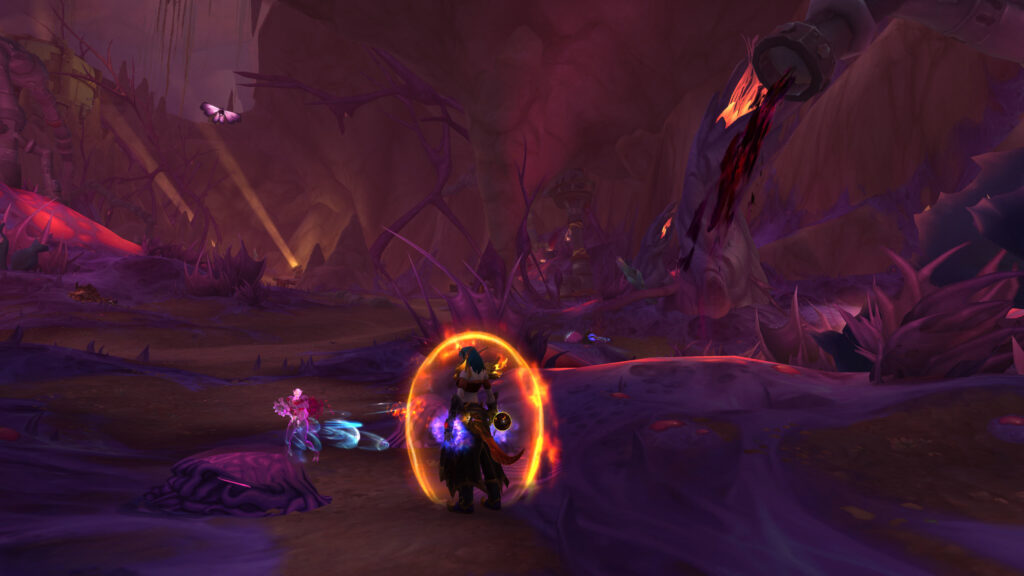
Interrupt integrity demands discipline over ego. Clipping a cast or delaying a high-damage ability to ensure a clean interrupt is always the correct decision. A missed interrupt costs far more damage than a lost GCD.
Conclusion
The Integrity of DPS Interrupt Rotations is a foundational Spell Prevention system. By implementing strict assignments, enforcing callout discipline, and eliminating overlap through structured sequencing, teams achieve Guaranteed Stops every time.
This reliability prevents resource waste, stabilizes encounters, and separates coordinated execution from chaotic failure.
Leave a Reply