Modern raid and Mythic+ encounters are often designed around short, high-value damage amplification phases. Vulnerability Window Stacking is the advanced Damage Multiplier strategy that aligns every major offensive resource with these brief exposure periods. Proper stacking transforms ordinary rotations into overwhelming burst cycles capable of skipping mechanics entirely.
This expanded guide explains how to identify vulnerability phases, synchronize cooldowns across roles, and avoid the costly mistake of delivering only Standard Output during the most important seconds of the fight.
Understanding the Vulnerability Window
A Vulnerability Window occurs when a boss temporarily takes increased damage or becomes susceptible to burst (e.g., shield break, stun phase, damage-taken debuff, exposed core phase). These windows are not optional bonuses—they are encounter-defining moments.
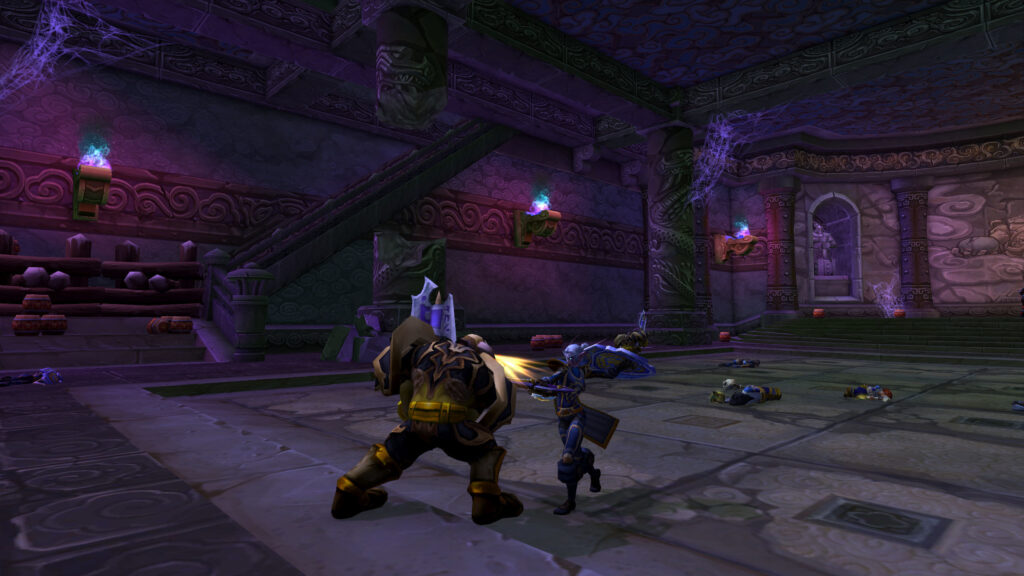
Encounters are often balanced around the assumption that players will maximize these windows. Failure to do so results in prolonged phases, additional mechanics, and increased healing strain.
The Exploitable Burst Threshold Concept
An Exploitable Burst Threshold is reached when stacked multipliers combine to exceed a damage breakpoint—such as pushing the boss into the next phase early or skipping a lethal mechanic entirely.

- Damage-taken debuff (e.g., +50%)
- Bloodlust/Heroism haste increase
- Personal 2–3 minute cooldowns
- On-use trinkets
- Combat potions
When layered correctly, these multipliers amplify one another exponentially rather than additively.
The Synchronization Protocol
Perfect execution requires strict coordination:
- Window Identification: Confirm exact timing and duration (e.g., 12–15 seconds).
- Pre-Setup Phase: Pool resources, align cooldown timers, and complete pre-casts before the window begins.
- Immediate Activation: All major cooldowns must be deployed within the first 1–2 GCDs of the vulnerability opening.
- External Buff Coordination: Assign buffs like Power Infusion or external damage amplifiers ahead of time.
Cooldown Alignment Hierarchy
| Damage Multiplier Source | Synchronization Priority | Impact if Misaligned |
|---|---|---|
| Boss Damage Taken Debuff | Critical (Absolute Priority) | Massive DPS loss; phase skip becomes impossible. |
| Bloodlust/Heroism | High | Reduces total burst amplification window. |
| Personal Major Cooldowns | Mandatory | Standard Output instead of threshold burst. |
| Combat Potions | Mandatory | Significant opener damage loss. |
Common Stacking Failures
- Using cooldowns early due to impatience.
- Activating Bloodlust outside the vulnerability window.
- Failing to pool resources before the phase begins.
- Desynchronizing personal cooldown cycles from encounter timing.
Each of these errors reduces multiplier overlap and converts a potential burst spike into average damage.
Advanced Optimization Tactics
Elite teams implement advanced refinements:
- Tracking cooldown alignment with WeakAuras or boss timers.
- Delaying minor cooldowns by 10–20 seconds to sync with vulnerability.
- Pre-assigning damage amplifier externals to top-performing DPS.
- Adjusting phase push timing to prevent premature transitions.

These refinements elevate burst from strong to encounter-breaking.
The Cost of Standard Output
Delivering Standard Output during vulnerability is the equivalent of ignoring the encounter’s intended design. Without stacking, bosses remain in dangerous phases longer, increasing mechanic density and resource strain. Many progression wipes stem from insufficient burst rather than mechanical failure.
Conclusion
Vulnerability Window Stacking is the definitive Damage Multiplier strategy for advanced raid play. By synchronizing every offensive resource with the boss’s exposure phase, teams achieve Exploitable Burst Thresholds that shorten fights and skip lethal mechanics.
Mastery of stacking separates coordinated progression groups from those stuck delivering only Standard Output when it matters most.
Leave a Reply